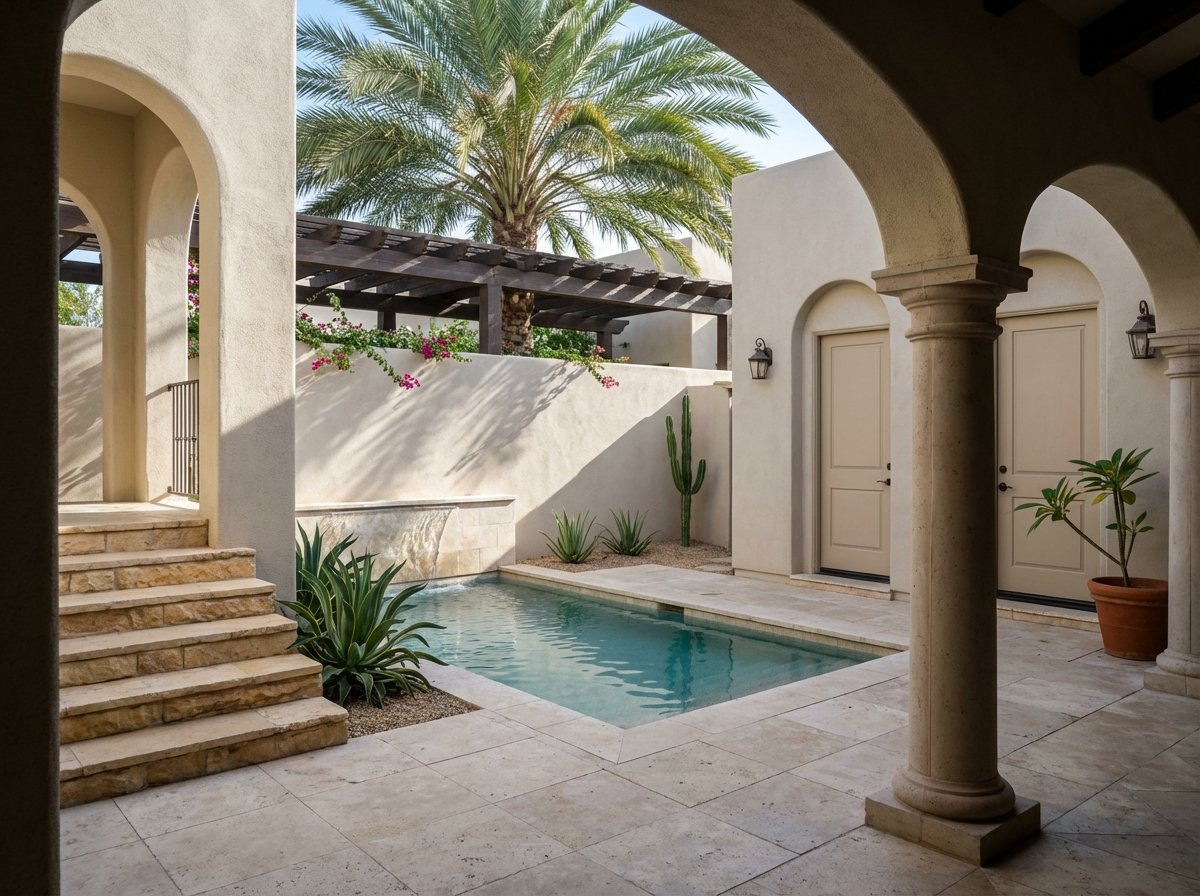
Thinking about renting your Quivira home when you are not using it? You are not alone. Many owners in this master-planned community leverage short stays to offset carrying costs while keeping a luxury lifestyle at their fingertips. In this guide, you will see what drives demand, what to budget, and the key rules to confirm before you buy or list. Let’s dive in.
Why Quivira attracts STR demand
Quivira is a resort-quality, 1,850-acre community anchored by a Jack Nicklaus Signature course and integrated resort privileges. The golf experience and branded amenities are major demand drivers for premium guests. You can explore the course and setting on the official Quivira Golf Club page.
Owners and managers often market guest access to beach clubs, spas, and on-site dining. These privileges help listings stand out compared to standalone condos without resort ties.
Who books here and why
High-value guest segments include golf travelers, multi-generational families, U.S. and Canadian snowbirds, and couples prioritizing wellness and privacy. These travelers value private outdoor space, concierge-style services, and easy access to golf, dining, and the beach. They are typically less price sensitive than mass-market beach travelers, which can support premium nightly rates when the property is well presented and professionally managed.
Access and visitor pipeline
Los Cabos International Airport (SJD) is one of Mexico’s busiest resort gateways, with strong U.S. and Canadian connectivity. This steady airlift supports year-round leisure demand and repeat visitation. See more about SJD’s role and routes on the Los Cabos International Airport page.
Seasonality and timing
Peak demand in Los Cabos typically runs November through April, aligning with winter travel and whale season. Whale watching peaks mid-December through mid-April, with strong interest January to March, which helps occupancy and rates during those months. Learn more about the seasonal draw from this overview of whale watching in Baja California Sur.
What you can rent in Quivira
You will find a mix of 1–3 bedroom condos, lock-off units, and larger private villas across neighborhoods such as Mavila, Copala, Coronado, and Old Lighthouse Club. Villas can command higher nightly rates but carry higher fixed costs and more seasonality. Condos often achieve steadier occupancy at more moderate rates.
Short-term rentals already operate inside Quivira. Public listings emphasize resort and owner privileges for guests. For a representative example, review this Quivira vacation rental listing on a mainstream platform.
Revenue reality and pricing
Exact nightly rates and occupancy vary by unit, view, size, finishes, and the season. Use paid STR analytics for the Cabo San Lucas and Quivira micro-market, plus manager comps and an actual rental ledger for any specific unit you are underwriting. Public listings prove demand exists, but verified unit-level performance is what should drive your pro forma and offer.
Costs and operations to budget
Strong gross revenue does not guarantee strong net income. Build a realistic operating plan that includes:
- HOA or condo dues and any resort or club fees.
- Bank trust (fideicomiso) annual trustee fees if you are a foreign owner.
- Property insurance tailored to coastal and hurricane risks.
- Utilities and water. Confirm reliability, storage tanks, or desalinized supply, and review community procedures. Regional infrastructure considerations can affect costs, so ask pointed questions. For broader context, see this overview of water infrastructure in Baja California Sur.
- Professional management. Full-service vacation rental management in Mexico often ranges from 20 to 35 percent of gross revenue depending on service level and property type. See this market guide’s overview of vacation rental management models and costs.
- Cleaning and turnover, linens, consumables, and platform commissions.
- Local and federal taxes, plus reserves for maintenance and coastal wear.
Legal and tax basics to confirm
- Foreign ownership. Coastal property is in Mexico’s restricted zone. Most foreign buyers hold title through a bank trust, or fideicomiso. You receive full rights to occupy, rent, finance, and sell, subject to the trust agreement and a required permit process with the Ministry of Foreign Affairs (SRE). Review the SRE guidance on restricted-zone acquisitions via trust.
- Tourism registration. Hosts and operators should confirm if federal tourism registration applies. The Registro Nacional de Turismo catalogs tourism service providers, and platforms increasingly expect compliance. Learn more about the Registro Nacional de Turismo.
- Taxes on rental income. Short-term lodging is taxable in Mexico. Non-resident owners are typically subject to withholding and filing rules, and VAT (IVA) may apply. See the federal framework and reporting obligations referenced in the Diario Oficial and confirm specifics with a Mexican tax advisor.
- Baja California Sur 2026 fiscal changes. The state approved reforms effective January 1, 2026 that adjust charges affecting tourism services. Review the press summary of these changes in El Universal and confirm current schedules with a local advisor.
- HOA and resort rules. Quivira neighborhoods operate under condo and HOA regimes with internal bylaws. These documents can set guest rules, vendor access, and rental procedures. Always obtain and review them during due diligence.
Property management options
You can choose among three common approaches:
- Full-service management that handles distribution, pricing, housekeeping, guest services, and concierge. Expect higher fees but stronger service and less owner time.
- Owner-led management with local vendors for cleaning and maintenance. This lowers fees but increases your involvement.
- Seasonal hybrid strategies that blend short-term rentals in peak months with mid-term or long-term leases in shoulder or low season to stabilize cash flow.
For fee norms and scope examples, reference this Mexico real estate investment guide.
Pre-purchase due diligence checklist
Use this quick list to reduce risk before you go under contract:
- Request the current fideicomiso documents or transfer steps, plus any SRE-related paperwork, and verify initial and annual trust costs using the SRE guidance.
- Obtain HOA or condo bylaws, meeting minutes, and written confirmation of rental rules, guest access, and any blackout dates.
- Ask for the seller’s 12–24 months of rental income and occupancy history for the specific unit, plus a list of included furnishings and systems.
- Confirm whether you or your manager must hold a Registro Nacional de Turismo registration for listings and who will remit taxes.
- Engage a Mexican tax advisor to estimate income-tax and VAT treatment, non-resident withholding, and net owner proceeds under different operating setups, using federal guidance such as the Diario Oficial.
- Collect management proposals from 2–3 local firms with fee schedules, inclusions, performance reporting, sample P&L, and references. Ask how they handle concierge, linens, and third-party vendors.
- Get insurance quotes, ask about hurricane procedures, and confirm water supply, storage, and any desalination or infrastructure details that affect reliability and cost.
- Validate pricing with paid STR analytics for Cabo San Lucas and the Quivira micro-market, and compare against active, similar-quality comps.
- Confirm total buy-side closing costs, including trust setup, notary, transfer tax, escrow/legal, and your first-year trustee fee.
How we help you win in Quivira
Buying or operating a short-term rental in Quivira rewards careful planning. You want a property that guests love and numbers you can trust. With cross-border development, construction, and property-management experience, we help you evaluate feasibility, renovation scope, pricing strategy, and operational handoffs so you start strong and stay compliant.
If you are weighing a purchase, a sale, or a repositioning plan, let’s tailor a data-backed strategy to your goals. For next steps, connect with Cory Baglien to review targets, request a personalized valuation, or build your rental launch plan.
FAQs
Is short-term renting allowed in Quivira Los Cabos?
- Many Quivira owners rent short term, but each condo or HOA has its own bylaws and procedures, so you should obtain and review the governing documents before you buy or list.
How does a fideicomiso affect foreign owners renting in Quivira?
- A bank trust is the standard way foreigners hold coastal property and it preserves the right to occupy, rent, finance, and sell subject to the trust agreement and required SRE permitting.
When is the strongest season for Quivira rentals?
- Demand is typically highest from November through April, supported by winter travel and whale season, with holiday and spring-break weeks creating additional spikes.
Do Quivira renters get access to amenities like the golf club and beach clubs?
- Many listings market owner or resort privileges for guests, but access can vary by property and program, so confirm the exact benefits and any fees in writing.
What are typical management fees for luxury vacation rentals in Cabo?
- Full-service vacation rental management commonly ranges from about 20 to 35 percent of gross revenue depending on service level and property type.
What taxes apply to my short-term rental income in Baja California Sur?
- Short-term lodging is taxable; non-resident owners are typically subject to withholding and VAT may apply, so you should confirm exact rates and filing steps with a Mexican tax advisor.