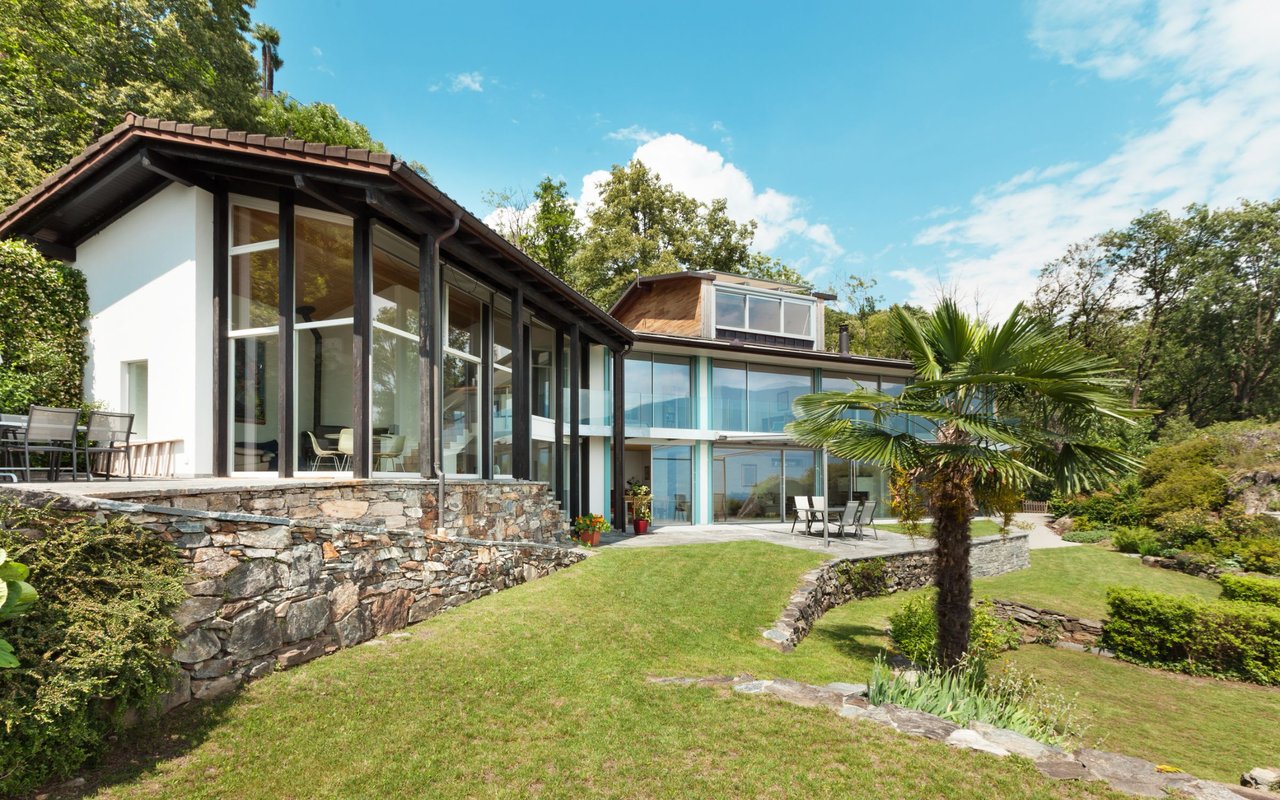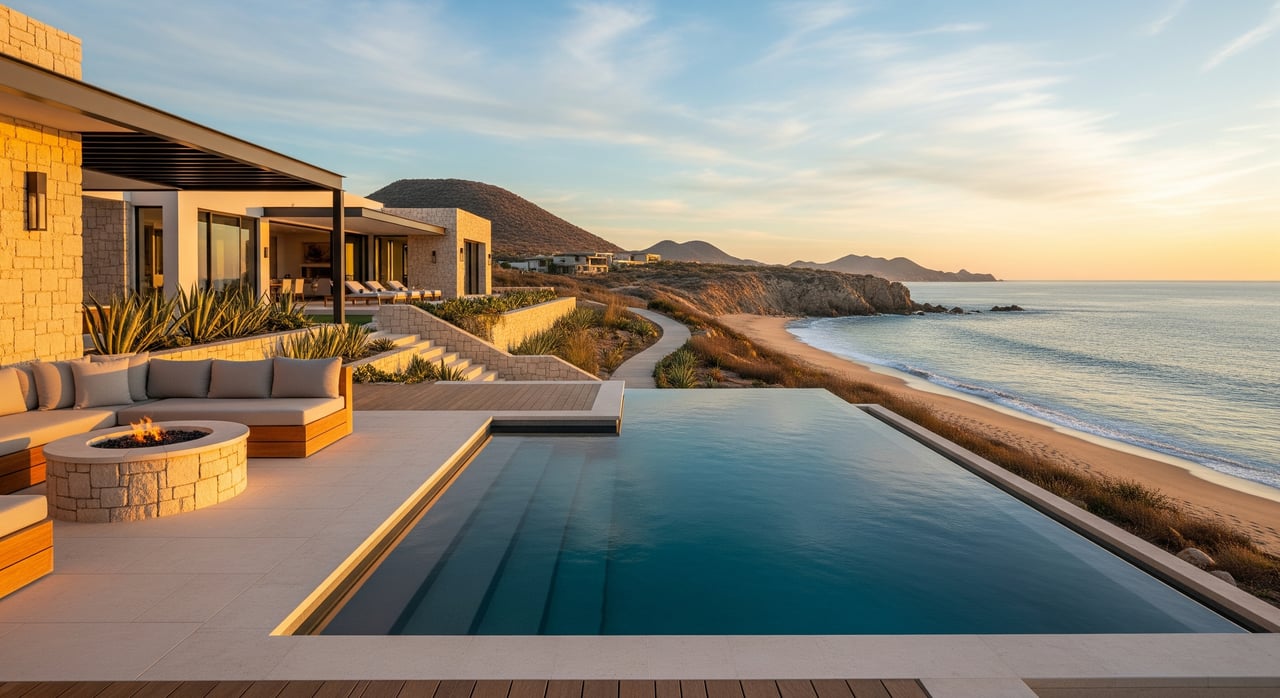
Staring at two dream options in Quivira and not sure whether to go beachfront or hillside? You are not alone. Both settings are spectacular, yet they live very differently once you factor in wind, salt, views, privacy, construction, and maintenance. This guide breaks down the real trade-offs so you can choose a lot and a home that match your lifestyle, upkeep tolerance, and long-term goals. Let’s dive in.
Quivira setting and climate basics
Quivira is a Pacific-facing master-planned community in Los Cabos. The shoreline here takes direct Pacific swell, which means bigger surf energy than many Sea of Cortez bays. The climate is arid with a pronounced dry season and a rainy and hurricane season that runs June through November, with peak activity typically August through October.
Daily sea breezes are common, onshore by day and offshore at night, and stronger systems can bring high winds and heavy swell. These conditions shape how homes perform over time and how it feels to live beachfront versus on the hills.
Beachfront living: what to expect
Wind and salt exposure
On the sand, you feel wind directly. Persistent onshore breezes increase wear on screens, doors, and landscaping. Salt spray is heaviest along the beachfront, which accelerates corrosion of metal fasteners, railings, and mechanical equipment. Expect more frequent upkeep and shorter lifespans for exposed components without marine-grade specifications.
Sand and surf impacts
Windblown sand is routine on the beachfront. It can abrade finishes, collect on patios and pool decks, and clog drains or intake grilles. Without good entry zones and hard-surface transitions, sand tracks indoors easily. Severe storms can shift beach profiles and push surge toward nearshore structures, so foundations and setbacks matter.
Views, privacy, and sound
You get pure horizon views at ground level and that immediate ocean connection. Privacy is more variable due to public beach activity and neighbor sightlines along the shore. Surf noise becomes a constant soundtrack, which many love, though it can be loud during high-energy surf events.
Access and daily lifestyle
Beachfront puts the sand at your doorstep. If you prioritize daily ocean activity and that barefoot routine, this setting fits. Visitor parking and beach path crossings can shape day-to-day convenience, so evaluate access patterns during busy times.
Hillside living: what to expect
Wind patterns and comfort
Elevated homes often catch more wind, especially on ridges, and topography can funnel gusts. That said, many hillside lots enjoy steady breezes that help with passive cooling. Smart orientation and sheltered patio design can create very comfortable outdoor spaces.
Salt, erosion, and drainage
Salt exposure drops with distance and elevation from breaking surf, especially when terrain or vegetation buffers the line of sight to waves. You may still have marine exposure, just at a lower intensity than beachfront. On hillsides, sand is less of a nuisance, but slope drainage, stormwater management, and soil erosion become the key maintenance focus.
Views, privacy, and sound
Hillside sites often deliver panoramic views, including coastline and inland landscapes, with longer sightlines. Surf reads as a more distant ambient sound. Privacy tends to be higher, since you are set back from public beach access and can use elevation and siting to reduce view lines from neighbors and roads.
Access and daily routine
You typically drive to and from the beach, which is less convenient for spontaneous swims but ideal if you value quieter evenings and a retreat-like feel. Driveway grades, switchbacks, and parking layouts matter, so assess access for both everyday use and service vehicles.
Construction and cost differences
Beachfront considerations
- Foundations and setbacks: Beachfront structures face higher groundwater, scour, and potential storm surge effects. Engineered solutions like piles, elevated slabs, or piers may be required, and coastal setbacks or dune protections can limit your buildable envelope.
- Insurance and risk: Insurance premiums typically reflect higher wind and surge exposure. Carrier requirements and deductibles can be more stringent near the water.
- Wear and replacement cycles: Salt and sand increase wear. Expect more frequent replacement of exterior metals, hardware, and mechanical systems if you do not specify marine-grade components.
Hillside considerations
- Geotechnical scope: Hillside construction relies on site-specific geotechnical reports. Engineered retaining walls, slope stabilization, and stepped foundations are common, which can raise upfront costs but enable creative terracing and view-focused design.
- Drainage and access: Robust drainage is essential to handle storm events. Utility extensions and road grades can increase costs on certain sites.
- Insurance and risk: Flood and storm surge risk is lower on elevated lots, though exposure to landslide or debris flow depends on slope conditions and design.
Smart materials and design moves
The right specs can reduce long-term surprises in either setting.
- Metals and fasteners: Favor marine-grade stainless steel, such as AISI 316, or duplex stainless for exterior components. Hot-dip galvanized steel with protective coatings can work for certain applications. Avoid untreated carbon steel outdoors.
- Exterior cladding: Choose low-maintenance facades like fiber-cement, stucco with compatible finishes, porcelain tile, or engineered stone. Use treated hardwoods selectively and maintain them.
- Windows and doors: Opt for corrosion-resistant frames with marine coatings and impact or tempered glass where appropriate. Consider sacrificial anodes for critical metal systems if recommended by your engineer.
- Roofing and railings: Select high-quality membranes or tile with corrosion-resistant flashings. If you prefer metal roofing, specify marine-grade coatings and detailed flashing to limit salt infiltration.
- Mechanical and pool equipment: Elevate HVAC condensers, pool systems, and generators on pedestals. Place major units on the protected side of the home or in ventilated closets to limit salt and sand ingress.
- Landscaping and hardscape: Use native, drought-tolerant plantings that handle salt. Hard-surface paths and entry buffers reduce sand migration into interiors. On slopes, combine hydroseeding, terracing, and engineered drainage for erosion control.
Maintenance cadence to plan for
- Exterior rinse: Beachfront, monthly during the dry season. Hillside, every 2 to 3 months based on exposure.
- Deep wash: Beachfront decks and patios, 2 to 4 times per year. Hillside, annually or as needed.
- Paint and coatings: Inspect yearly and plan to recoat high-exposure elements every 3 to 7 years, depending on material and finish.
- Metals and hardware: Inspect quarterly for corrosion. Lubricate and replace as needed.
- HVAC service: In coastal settings, service coils and filters every 3 to 6 months. Hillside owners can space this out, but at least annually.
- Pools: Expect more frequent chemistry adjustments and filtration maintenance for beachfront pools due to sand and salt.
- Roof and drainage: Inspect after significant storms, especially during hurricane season.
Buyer due diligence in Quivira
Before you commit, assemble parcel-specific facts and have the right experts review them.
- Hazards and history: Ask for storm impact history, beach erosion records, and any shoreline armoring or beach nourishment details relevant to the parcel. Confirm coastal setback lines and any protected dunes or easements.
- Structural and geotechnical: For beachfront, request foundation and scour assessments and groundwater data. For hillside, require a current geotechnical report with slope stability, bearing capacity, and retaining wall guidance.
- Permits and HOA: Review CC&Rs, height limits, material requirements, and maintenance obligations. Validate permit history and occupancy certificates for improvements.
- Insurance and cost mapping: Obtain quotes for wind and hurricane coverage, and any flood or surge riders for beachfront. Ask about the claims history for the specific area. Build a forecast for maintenance and replacement cycles on salt-exposed systems.
- Utilities and access: Verify water, sewer or septic, power, and internet. Confirm service access for maintenance and emergency response.
- Professional inspections: Order structural and roof inspections, pest evaluations, corrosion surveys for mechanicals, and where relevant, a coastal engineer or geomorphologist review.
Which lot fits your lifestyle
Use the profiles below to match your priorities to the right setting.
- Immediate beach lifestyle: You want direct sand access and daily ocean activity. You accept high upkeep and potentially higher insurance. Best fit, beachfront or immediate beachfront lots.
- Panoramic views and privacy: You value broad vistas, terraces, and quieter evenings. You accept engineered foundations and slope care. Best fit, hillside or elevated lots.
- Lower maintenance with ocean views: You prefer reduced salt and surge exposure. Best fit, upper hillside or sheltered elevated lots with limited direct line of sight to breaking waves.
- Investment and resale value: You want the ocean-view premium without daily beach use. Best fit, hillside lots with panoramic views and some resiliency buffer.
- Ultra-luxury beachfront: You want resort-level living with immediate water access and have a professional maintenance plan. Best fit, premium beachfront estate lots.
Bottom line
Choose beachfront if daily beach access and that immersive ocean experience top your list and you are comfortable with higher upkeep, faster equipment replacement, and elevated storm insurance considerations. Choose hillside if you want panoramic views, privacy, and potentially lower salt and sand exposure, and you are prepared for engineered hillside construction and slope management. In both cases, lean on design and materials that are proven in marine environments, and insist on parcel-specific due diligence.
If you want a clear-eyed plan for buying, building, or renovating in Quivira, connect with a local advisor who blends luxury brokerage with technical construction know-how. For personalized guidance on site selection, feasibility, and ownership planning in Los Cabos, reach out to Cory Baglien.
FAQs
Is hurricane season a risk for Quivira beachfront homes?
- Yes, hurricane and tropical cyclone season runs June through November with peak activity in late summer and fall, which raises wind and surge exposure for beachfront properties.
How much maintenance do beachfront homes in Quivira need?
- Expect monthly exterior rinses in the dry season, more frequent deep cleans, quarterly metal checks, and faster replacement cycles for exposed hardware and mechanical equipment.
Do hillside homes still face salt corrosion in Los Cabos?
- Yes, corrosion risk remains where there is line-of-sight to breaking surf, although elevation and distance typically reduce salt deposition compared to the beachfront.
What should I ask about foundations for a Quivira beachfront lot?
- Request documentation on coastal setbacks, foundation type and scour protection, groundwater conditions, and any history of beach profile changes near the parcel.
Are panoramic views better from hillside homes in Quivira?
- Hillside sites often provide wider, multi-directional vistas that include ocean, coastline, and inland terrain, while beachfront offers immediate horizon views at ground level.
How do insurance costs compare between beachfront and hillside in Quivira?
- Beachfront premiums are typically higher due to wind and storm surge exposure, while hillside costs can be lower for flood and surge but depend on slope stability and access factors.